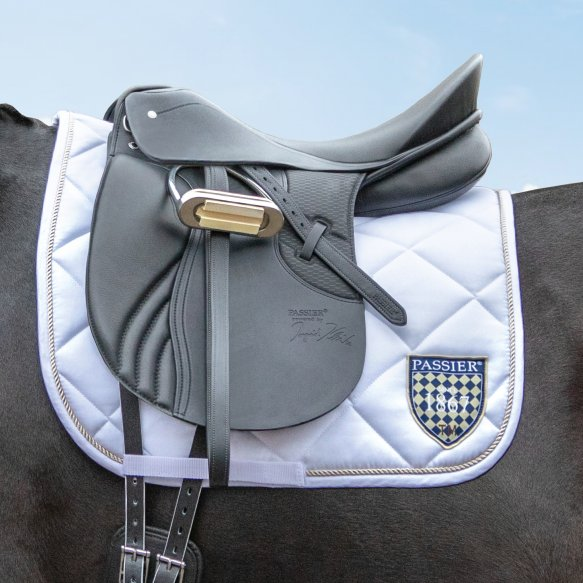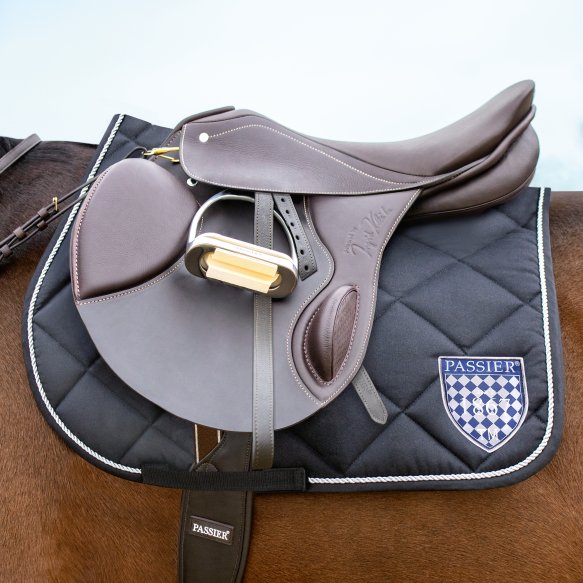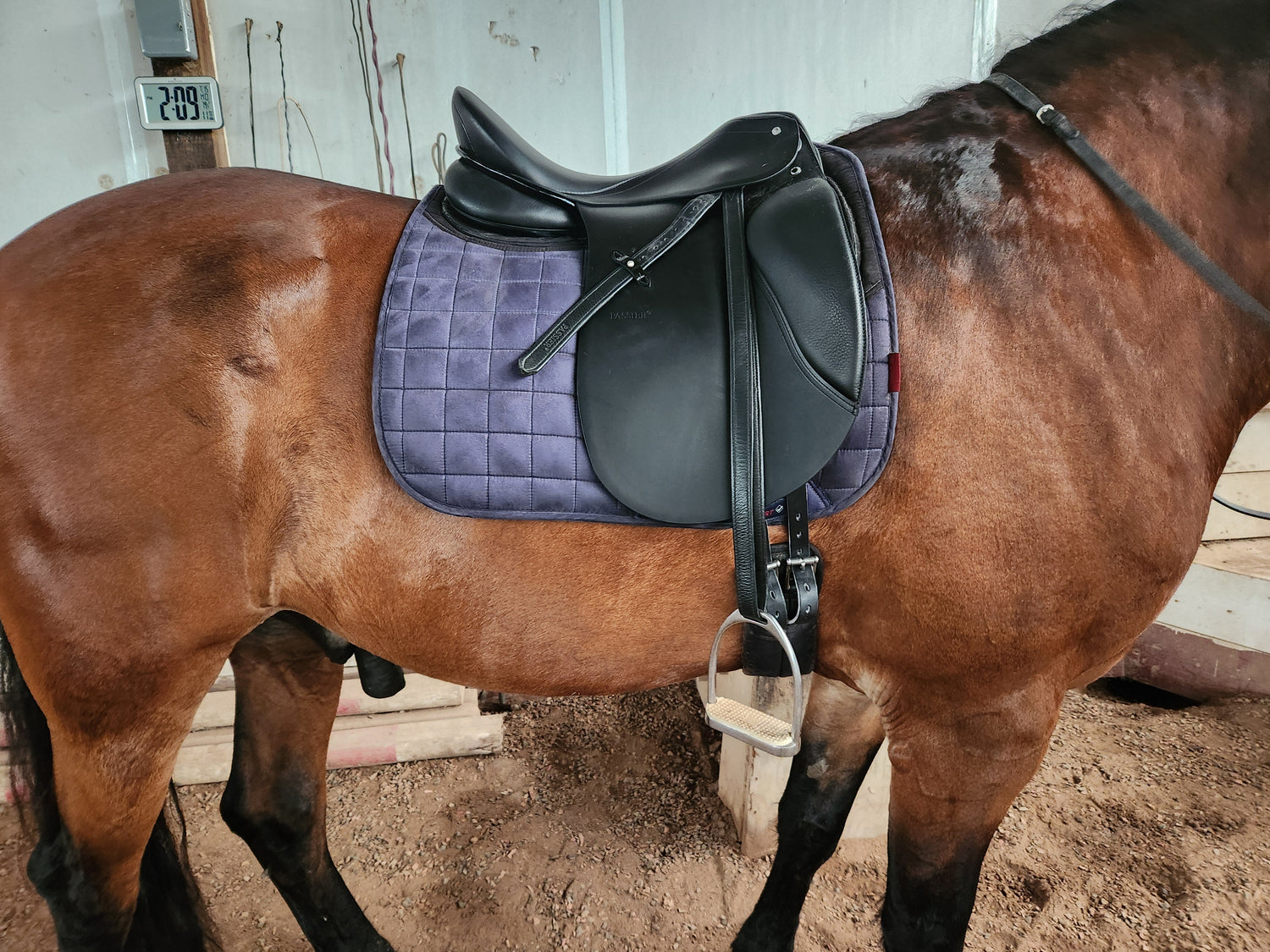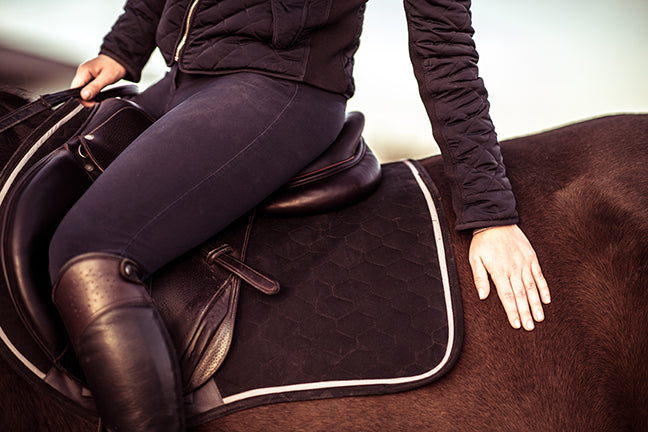

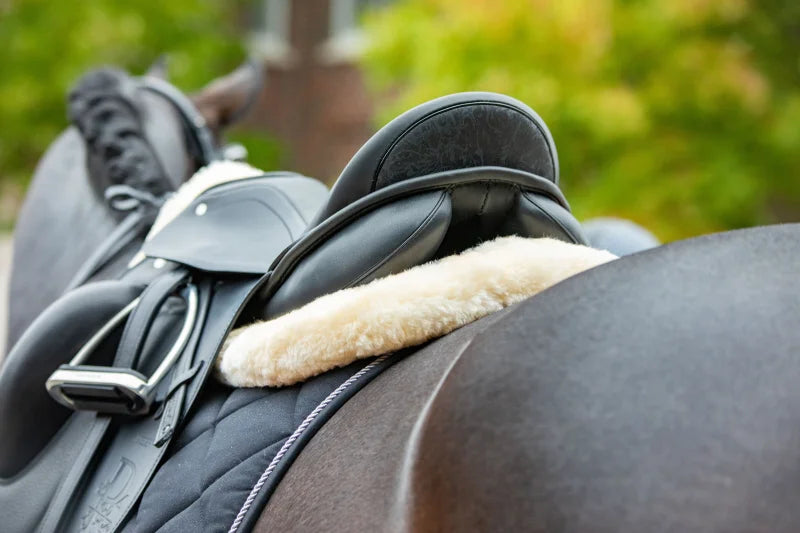
Passier has been making saddles in the Hanover area of Germany since 1867. Five generations later, trained saddlers still build them by hand in the family’s own workshop.
Passier today
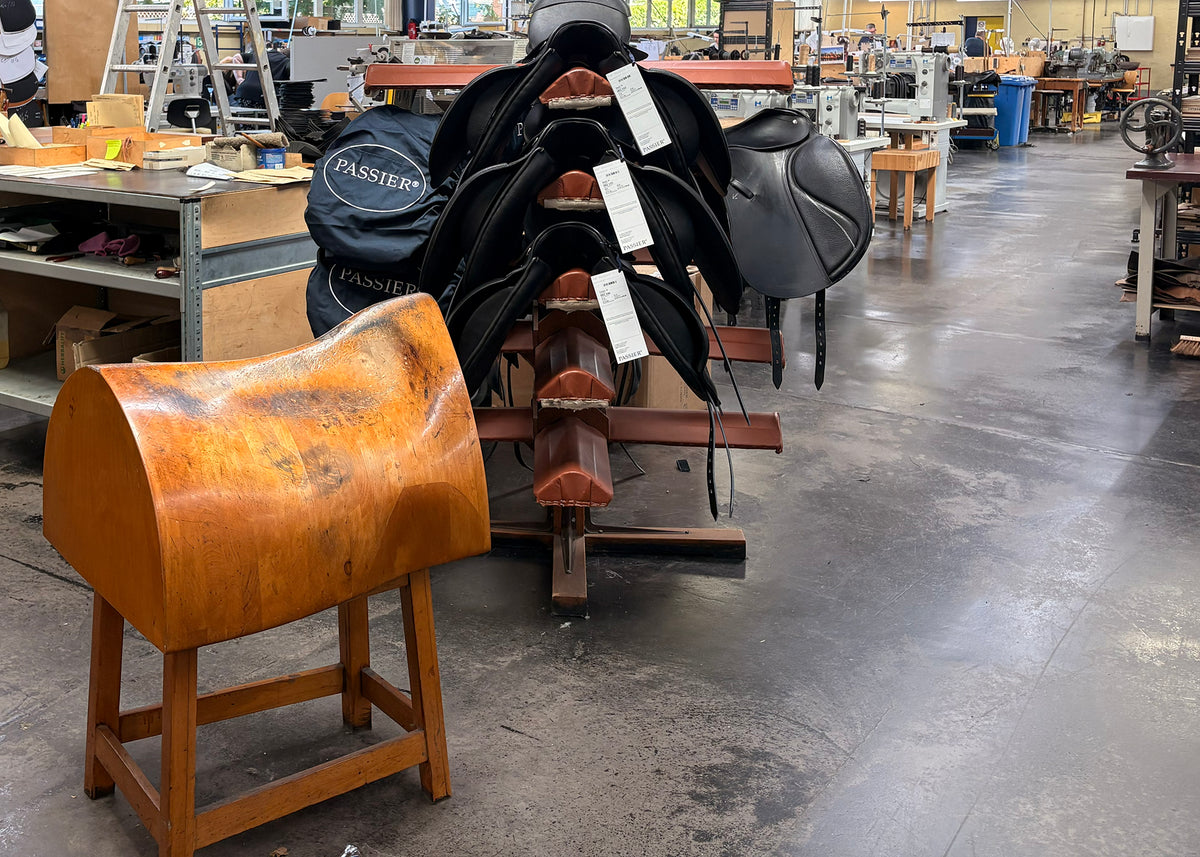
G. Passier & Sohn is based in Langenhagen, just outside Hanover in northern Germany. Now led by the fifth generation of the founding family, the company develops and makes its dressage, jumping and all-purpose saddles in its own workshop. Passier also makes bridles and accessories, and riders in more than 40 countries use its saddles.

Five generations since 1867
1867 | A regimental saddler opens his own shop
Georg Passier, saddler to the Royal Uhlan Regiment No. 13, has to become a citizen of Hanover before he can open his own business. The day his name enters the city register, September 17, 1867, is still celebrated as Passier’s founding day. The shop soon moves to Lange Laube, next to the regiment’s barracks, and becomes a supplier to the royal court.

1901 | Father and son
Ernst Passier, the founder’s son and a master saddler in his own right, joins the business. The company takes the name it still carries today, G. Passier & Sohn. By the start of the First World War, it employs 80 people.
Between the wars | Passier looks abroad
After the First World War, civilian riding declines sharply and motor cars begin to replace horse-drawn carriages. Ernst Passier finds new customers abroad, building the company’s reputation beyond Germany.
1930s and 1940s | Rebuilding in Hanover
Georg Passier, the third generation, joins in 1930 after training as a saddler and spending a year in the United States. Air raids damage the Hanover workshop during the Second World War. Machines and leather stored outside the city survive, allowing Passier to start again at a new site in Hanover after the war.
1959 | A new saddle tree
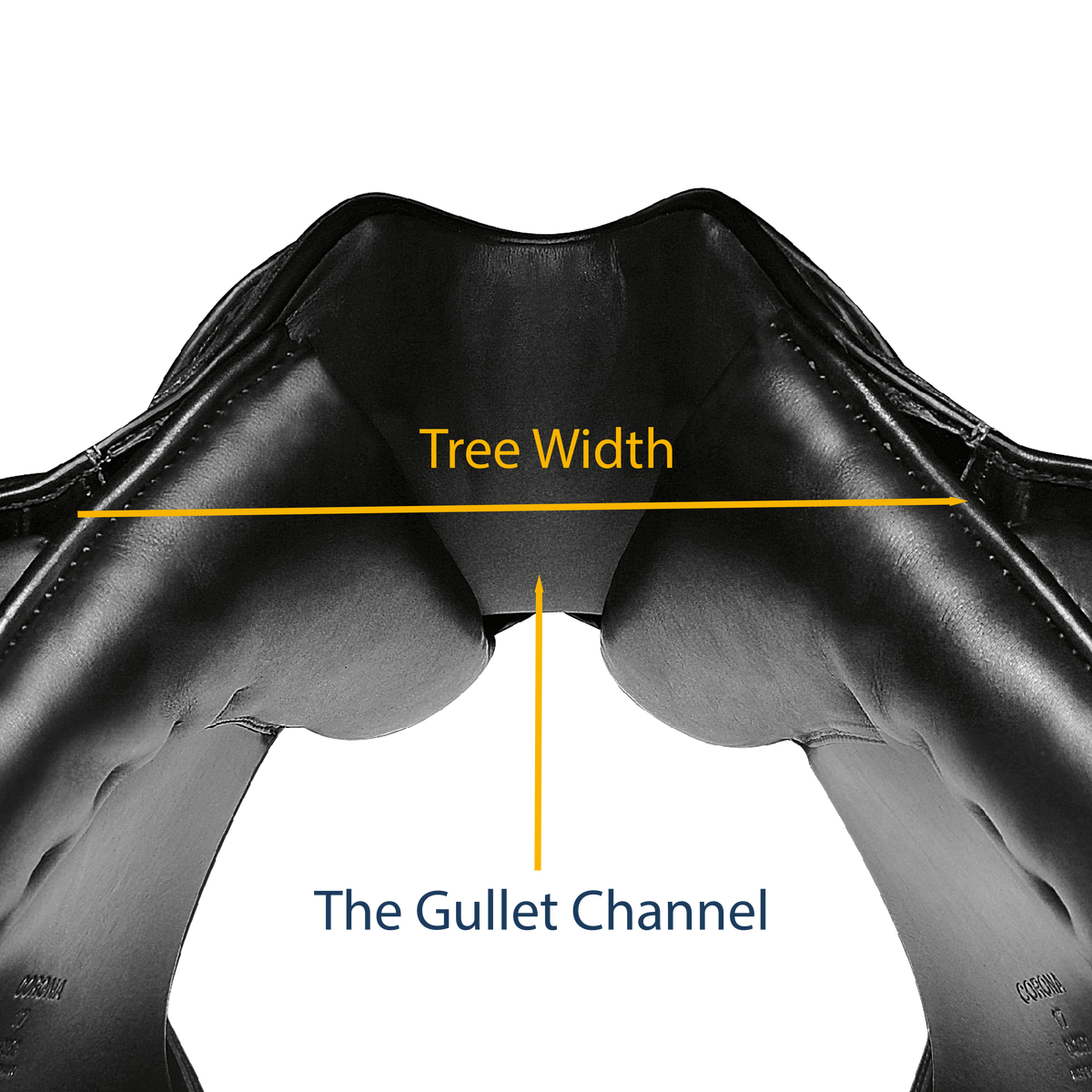
Passier patents a saddle tree design.
1967 | A move to Langenhagen
A century after its founding, Passier moves to its current home in Langenhagen. The company has rebuilt and modernized the site over the years and still makes its saddles there.
1968 and 1994 | The fourth and fifth generations
Katrin Passier, the founder’s great-granddaughter, and her husband, Jochen A. Kannemeier, lead the company through a period of growth. Their son, Georg Dirk Kannemeier, joins in 1994 as the fifth generation.
How a Passier® saddle is made
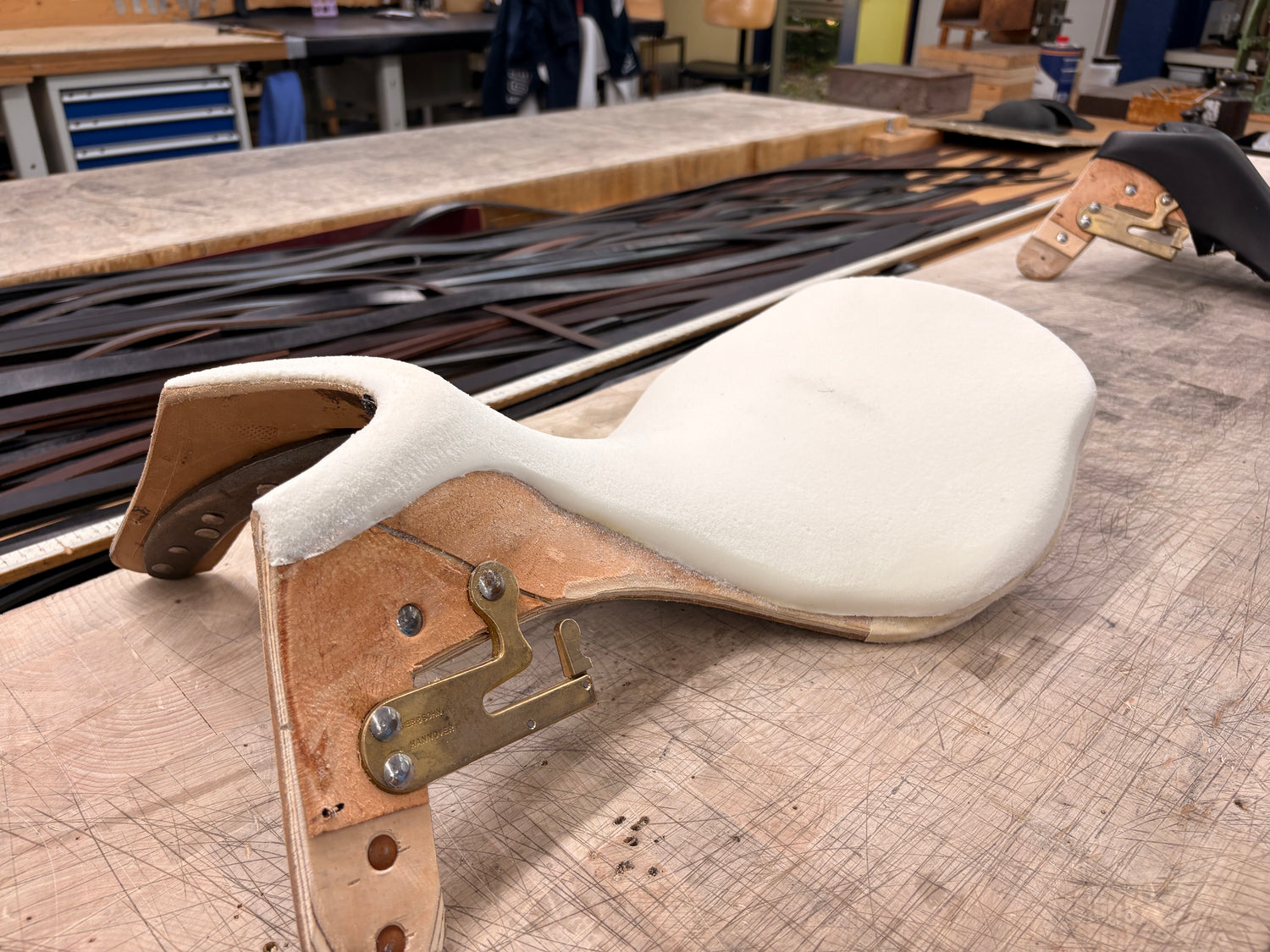
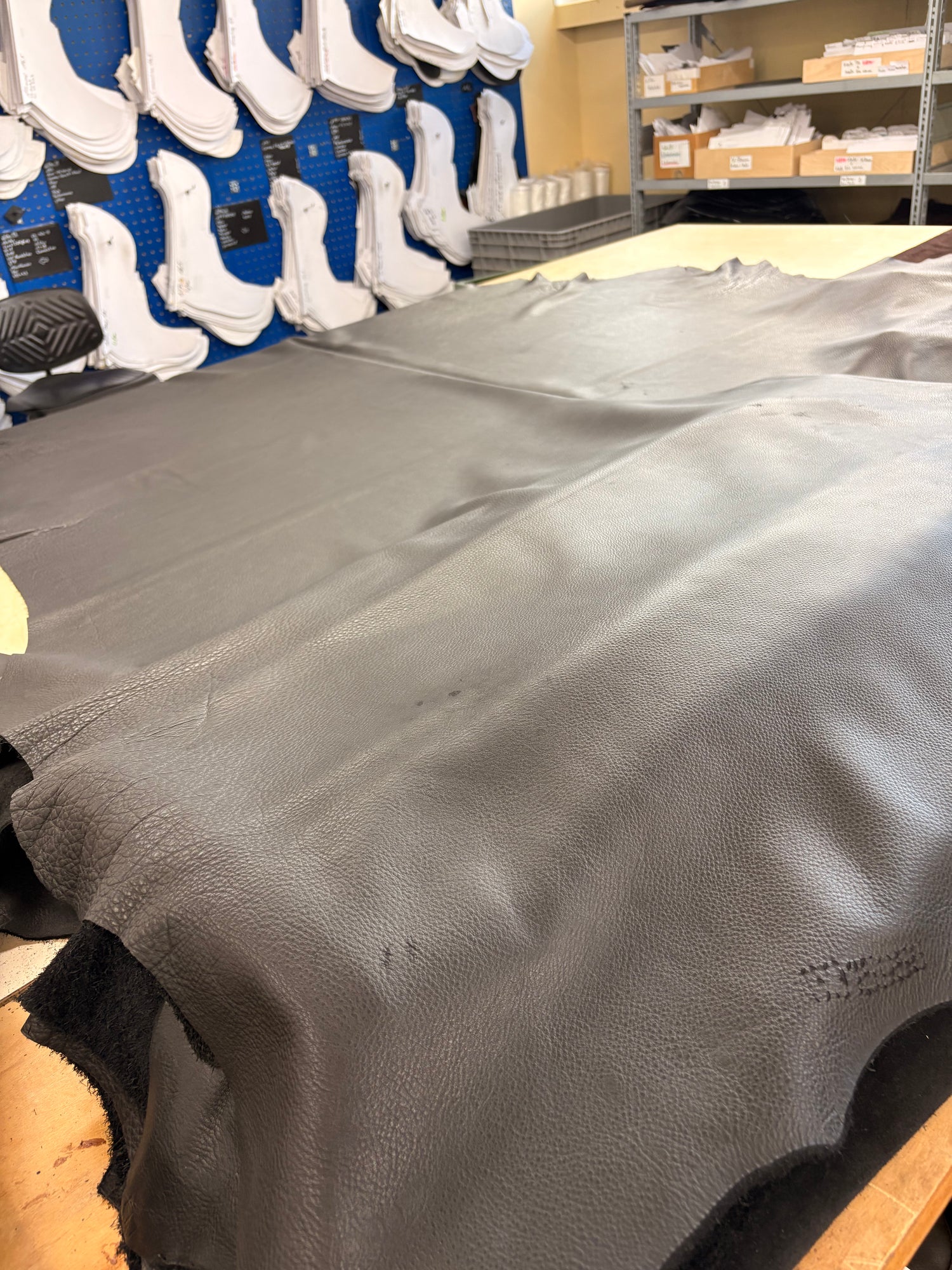
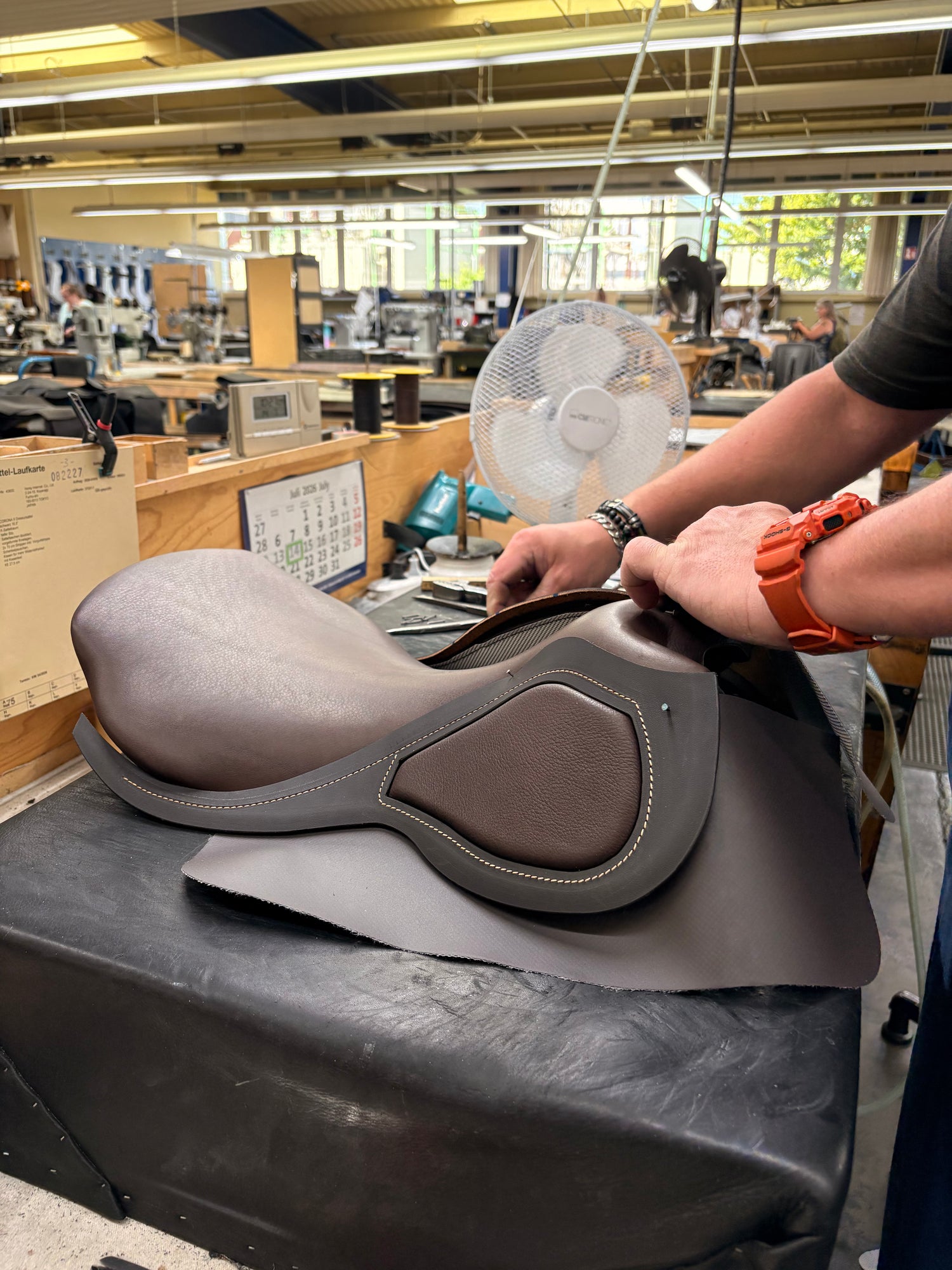
Each saddle passes through many hands and many steps in the Langenhagen workshop, from building the tree to checking the finished saddle.