
Saddles

Which Saddle Pad Is Best? (Is There a Right Answer?)

Which Saddle Pad Is Best? (Is There a Right Answer?)

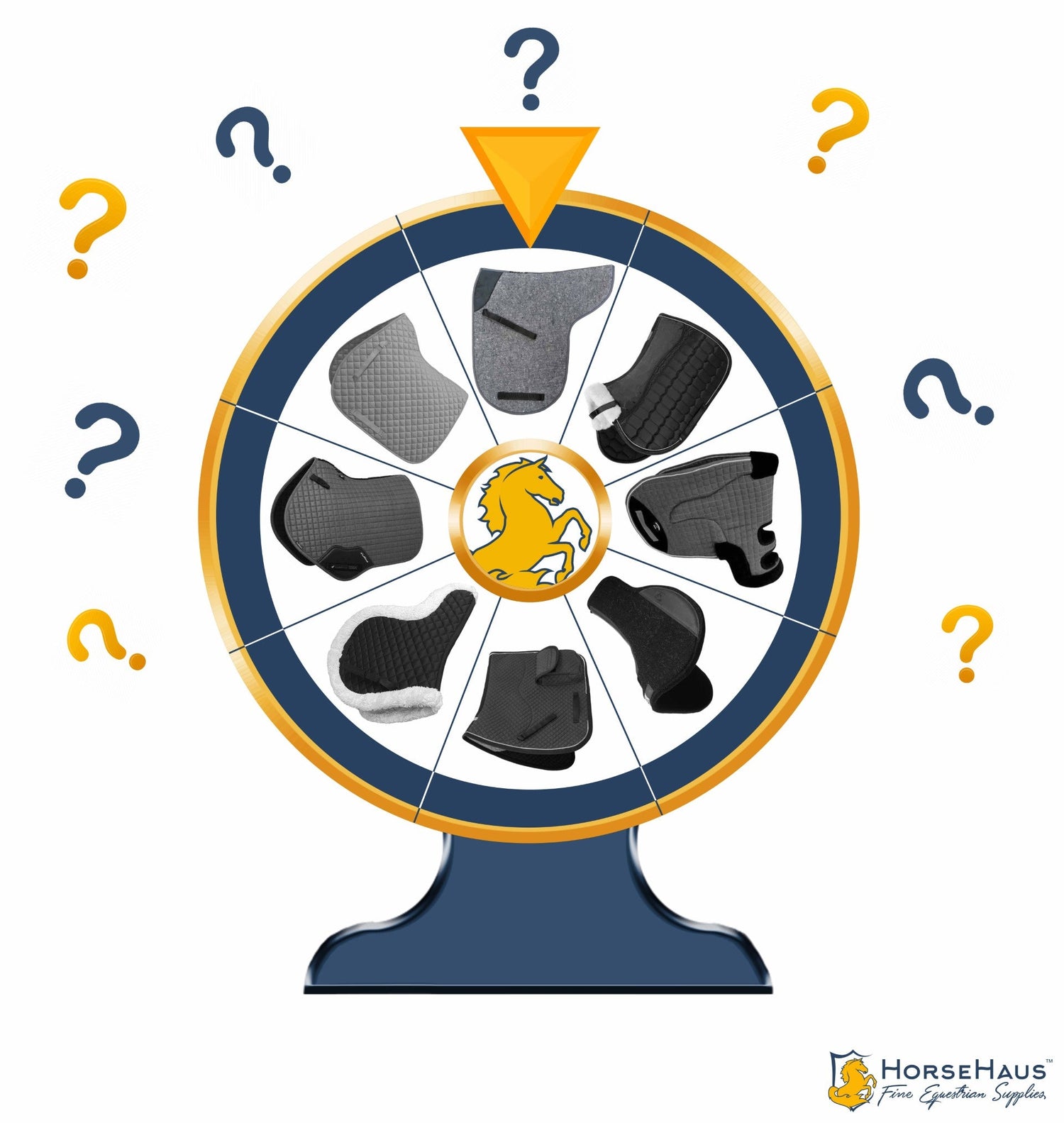
Gel pad, foam, or saddle blanket? After years of fitting saddles — and happily taking a hammer to the hand at horse fairs to prove a point — I've decided the real question isn't cushioning. It's friction. Here's why, and the pad I keep coming back to.
Tree Width and the Gullet Channel – Is Wider Always Better?

Tree Width and the Gullet Channel – Is Wider Always Better?

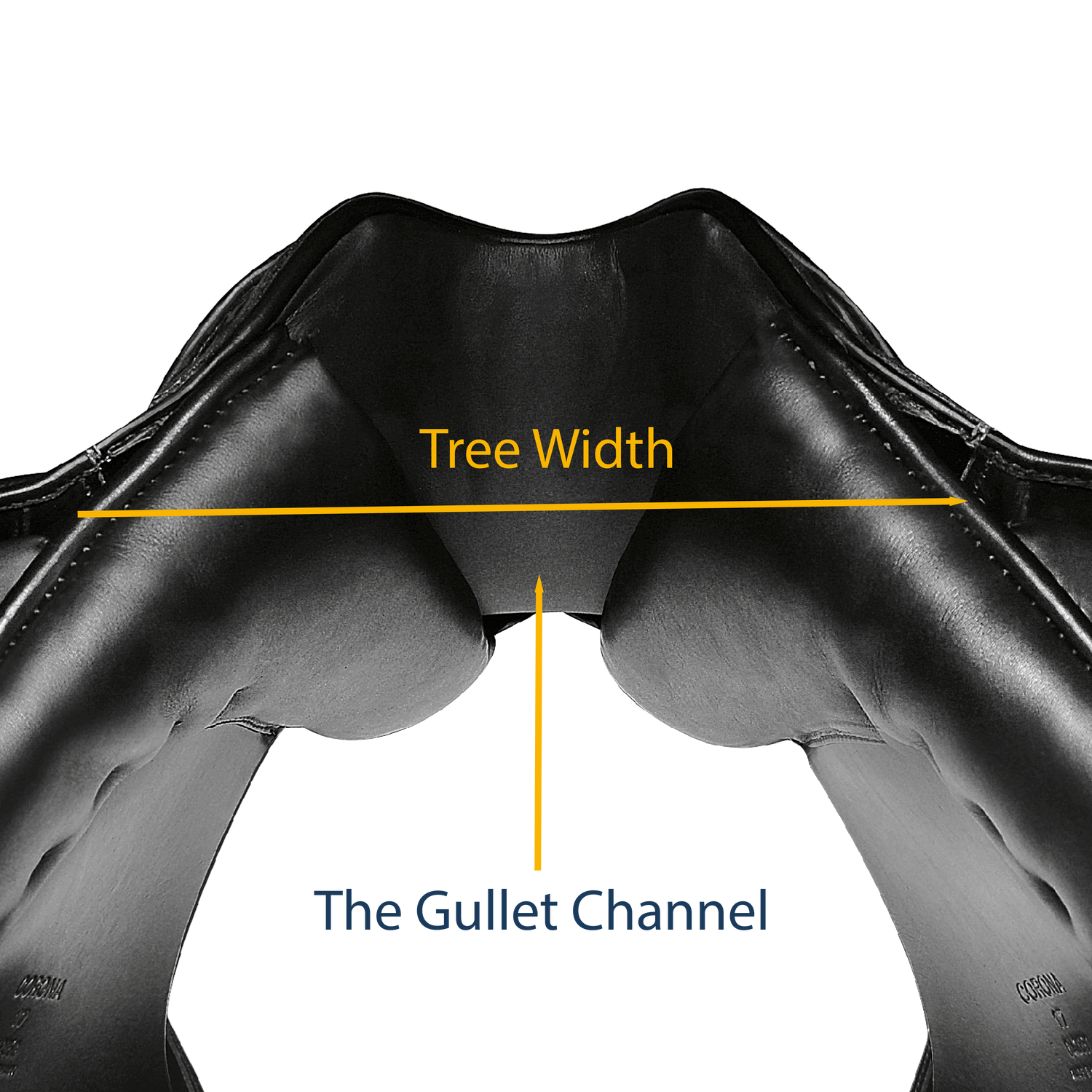
My horse needs a wide tree" is the most common misconception I meet in my fitting practice — and acting on it makes many horses less comfortable, not more. Chapter 3 unpacks what tree width actually means, how the gullet plate and gullet channel each affect fit, and two simple checks you can do yourself to see whether yours match your horse's back.
5 Key Parameters of Saddle Fit – A Practical Checklist

5 Key Parameters of Saddle Fit – A Practical Checklist

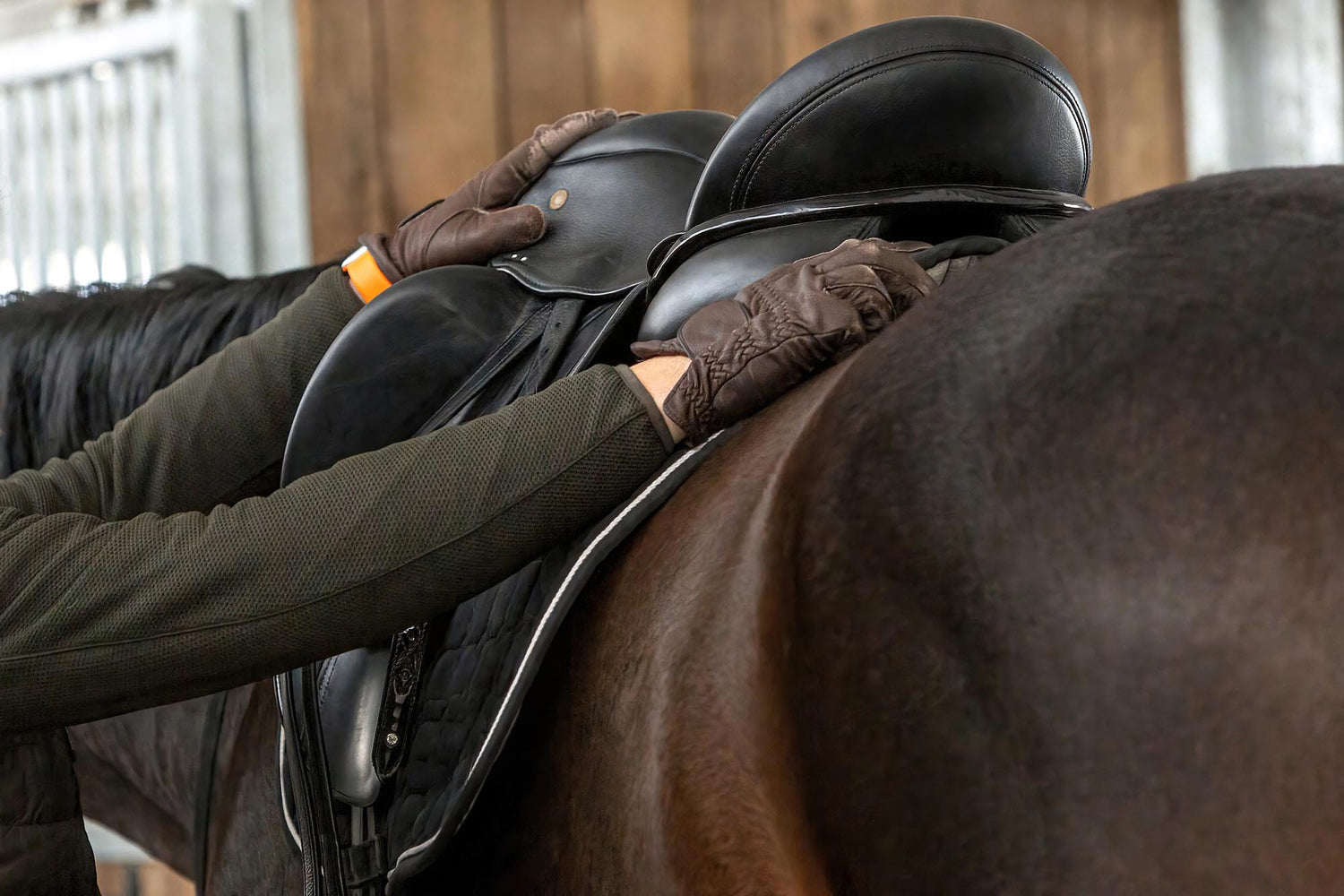
You don't need special equipment to catch a saddle that doesn't fit — just five checks you can do yourself in a barn aisle in under fifteen minutes. This chapter walks through spine and wither clearance, balance, panel contact, length, and stability: what each one means, why it matters to your horse, and exactly how to test it. These five won't replace a skilled fitter, but they'll tell you when something is wrong — and when it's worth calling one in.

The Anatomy of Saddle Fit: What the Horse’s Back Tells You

The Anatomy of Saddle Fit: What the Horse’s Back Tells You

No two horses carry the same back — and the back you fit today isn't the one you'll fit in six months. Before you can judge whether a saddle fits, you have to read the landscape beneath it. This chapter breaks down the five parameters that define your horse's topline — withers, back shape, length, croup height, and girth groove — and closes with a 20-minute hands-on exercise to assess your own horse.
How to Evaluate Saddle Fit

How to Evaluate Saddle Fit

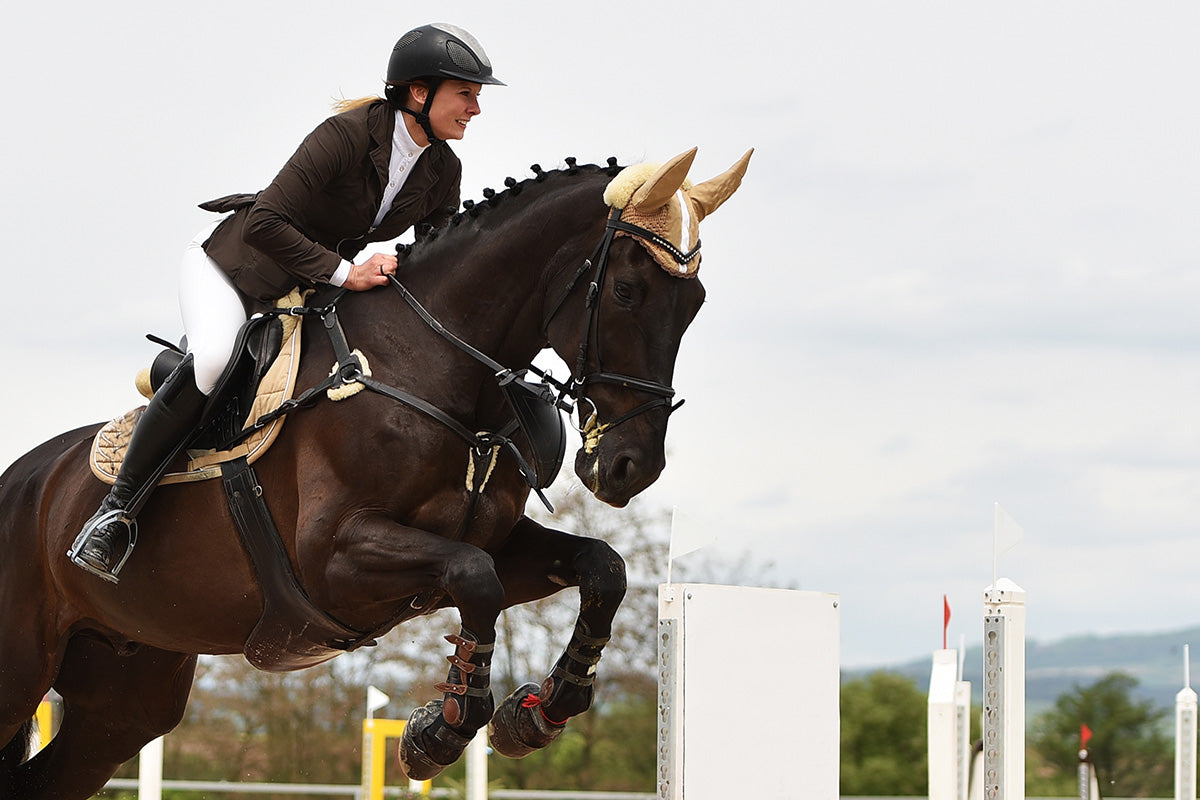
Saddle fit knowledge belongs to every horse owner — not to replace your fitter, but to help you see what you're looking at and ask better questions. This is the home of our free Saddle Fitting Guide: a plain-language series that takes you from reading your horse's back to evaluating any saddle on any horse. Start here, then work through the chapters at your own pace.

a brown horse with a dressage saddle and a gray saddle pad

Saddle Fit 101: A Balanced Saddle

Why a Balanced Saddle Matters From an old German book on riding. Balance as a basic concept of saddle fit. The correct balance is on the top.  "Love this saddle,...

Saddle Fit 101: Are Adjustable Saddles Good?

Saddle Fit 101: Are Adjustable Saddles Good?

Is there really a good option for an adjustable saddle? Read 5 Reasons Why You Should Not Buy An Adjustable Saddle and One Reason Why You Should. There are many aspects to saddle fit. Learn why adjustable saddles may not be all the rage.

Saddles FAQ

Do I still need a saddle fitter if I learn the basics myself?

Always. Understanding the basics makes you a more informed client, not a self-sufficient one. You can ask better questions, recognize red flags and make better decisions.

How can I check my saddle's fit myself?

Check five parameters:

  • Spine and wither clearance
  • Balance
  • Panel contact
  • Length
  • Stability

None needs special equipment, and all five can be done in a barn aisle in under 15 minutes. They are indicators, not diagnoses: they tell you whether to look further. The horse's response under saddle is always the final word.

How much wither clearance does a saddle need?

At least two to three fingers between the saddle and the top of the withers, and along the full length of the gullet channel. Check again with a rider in the saddle, because the added weight lowers the saddle. If clearance is insufficient, there is typically no adjustment that fixes it.

How do I know if my saddle is too long?

Find T18: place your hand on the last rib, follow its curve up to the spine, and mark that point with chalk. The saddle panel should end at or before the mark. Pads and shims do not fix a saddle that is too long.

Is a wider tree or gullet channel always better?

No. On a roof-shaped back, a gullet channel that is too wide lowers the saddle onto the spine. As a rule of thumb, about four inches is medium. Your horse's back shape, not his size, determines the right width.

How do I know if my saddle is balanced?

With the saddle girthed and no pad, look from the side. The deepest point of the seat should be in the center. A round object placed in the center of the seat should stay put. The pommel and cantle don't need to be the same height.

Are adjustable saddles a good idea?

Gullet width is only one of many fit factors, so a saddle the owner adjusts alone isn't enough. The exception is a saddle whose gullet plate is built into the tree, can be safely adjusted by a professional, and has wool-flocked panels. Passier saddles are an example.

Can a thicker pad fix a saddle that doesn't fit?

No. Pads and shims are compensations, not solutions, for problems with panel contact, length or stability. A good pad won't rescue a saddle that doesn't fit.

What should I look for in a saddle pad?

In order of importance, a pad should:

  1. Minimize friction.
  2. Not trap heat.
  3. Wick sweat away from the skin.
  4. Add to the rider's comfort.
  5. Protect the back from pressure.

Wool felt meets all five.

How often should saddle fit be checked?

A saddle that fits today deserves a check in six months, and after any significant change in the horse's condition, training or age.