
Supporting a Healthy Coat Transition

The Metabolic Miracle: What’s Happening Under the Surface?
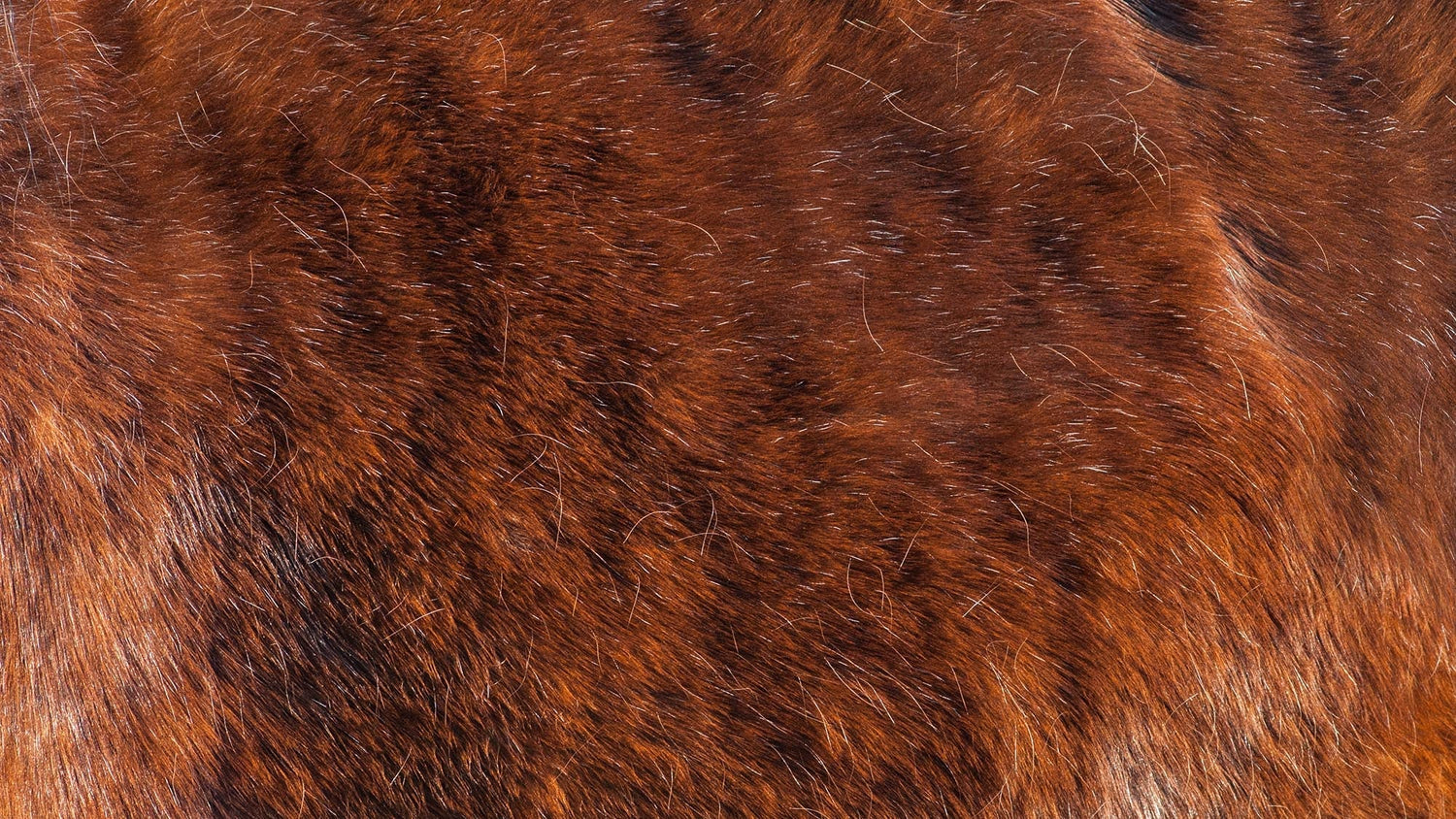
Shedding a winter coat and growing a new one is an incredible physiological feat. It is far more than an aesthetic change—it is a significant metabolic event.
Did you know your horse has to produce several pounds of new hair? Because hair is primarily made of keratin (a protein), the body must redirect massive amounts of energy and nutrients to the skin. If a horse seems tired or "flat" during the spring, it’s because their system is working overtime.
A Note on "Stalled" Shedding: Horses with nutritional gaps, metabolic imbalances, or conditions like Cushing’s Disease (PPID) often struggle to shed. If your horse’s coat remains long, coarse, or dry while others are sleek, it is a signal from the body to investigate nutrition and health at the root level.
The Mindful Support System: Nutrition & Rest
To support your horse through this "heavy lift," we recommend focusing on two key pillars:
1. Nutritional Fuel for Hair Growth
The shedding process begins in the brain, where the pineal gland reacts to increasing daylight by shifting melatonin production. To turn that signal into a healthy coat, the body requires:
-
High-Quality Protein: Essential for building the keratin structure of the hair.
-
Omega-Rich Fats & Sebum Support: Sebum is the natural oil that gives the coat its "waterproof" shine. Since dry hay contains only about half the fat of fresh spring grass, supplementation is often necessary for horses on year-round hay.
-
Action: Consider adding rice bran, alfalfa, or specialized feed oils to their ration. We always recommend consulting a qualified equine nutritionist to tailor a plan to your horse's specific metabolic needs.
2. The Power of Rest
Growing a new coat is exhausting. You may notice your horse lacks their usual "spunk" during peak shedding weeks. This is the time for a Mindful Exercise Regimen.
Action: Consider lowering the intensity of your training or adding an extra rest day. There is no better "metabolic therapy" than a long snooze in the spring sun while the body focuses on its most important job: building a healthy, protective summer coat.
Horse Grooming during Shedding Time - 3 Simple Steps
Step 1: Loosen & Massage (Tool: The New Generation Curry)
- Use a flexible massage curry like the Haas New Generation Curry to loosen and remove the winter coat. This gentle tool will also invigorate the skin, remove dander and stuck-on dirt and provide a gentle massage that increases blood circulation
If you’re ready to switch to this supportive method, you can find our Mindful Shedding Trio here
Step 2: Lift & Clear (Tool: The Masar Stiff Brush)
- Follow up with the Masar Stiff to clear loosened hair and coarse dirt. By reaching deep into the coat, this natural fiber brush removes the debris that causes itching and skin infections during spring workouts. Swipe the bristles against a stiff curry between strokes to keep the brush clean. The result? A smoother, healthier coat that's ready for the transition to summer.
PRO TIP: We use the metal curry here only as a cleaning tool for our brushes—never on the horse’s skin—to keep our natural bristles performing at their best.
Step 3: Lustre & Protect (Tool: The Masar Coco Brush)
- Finish your session with a softer, natural brush like the Masar Coco Brush. While the coconut fibers are gentle, they are uniquely resilient—coarse enough to sweep away the final layer of loosened hair, yet fine enough to lift the microscopic dust that dulls a coat. This final step polishes the emerging summer hair and ensures no dander is left behind to cause itching.
Result: Your horse’s coat is now clean, slick, and free of winter debris, all while keeping the skin’s protective oils intact.
If you encounter knotted fine hair behind the elbows or in the girth area, resist the urge to use a metal blade. Instead, spend an extra moment with your New Generation Curry using smaller, targeted circles. This gently breaks up the knots without the risk of "blade burn" or hair breakage. It’s the mindful way to handle the toughest spots.
Enjoy your horse! (And remember: leave the lip balm at home unless you want a hairy smile! ;-)
Stefanie Reinhold
Upgrade Your Grooming: Shop the Mindful Shedding Trio:

Further Reading:
Michigan State University - Help Your Horse Shed Its Winter Coat